
That Tiny Flap of Skin That Won't Go Away Has a Name, and Here's How to Remove It Safely
We include products we think are useful for our readers. If you buy through links on this page, we may earn a small commission
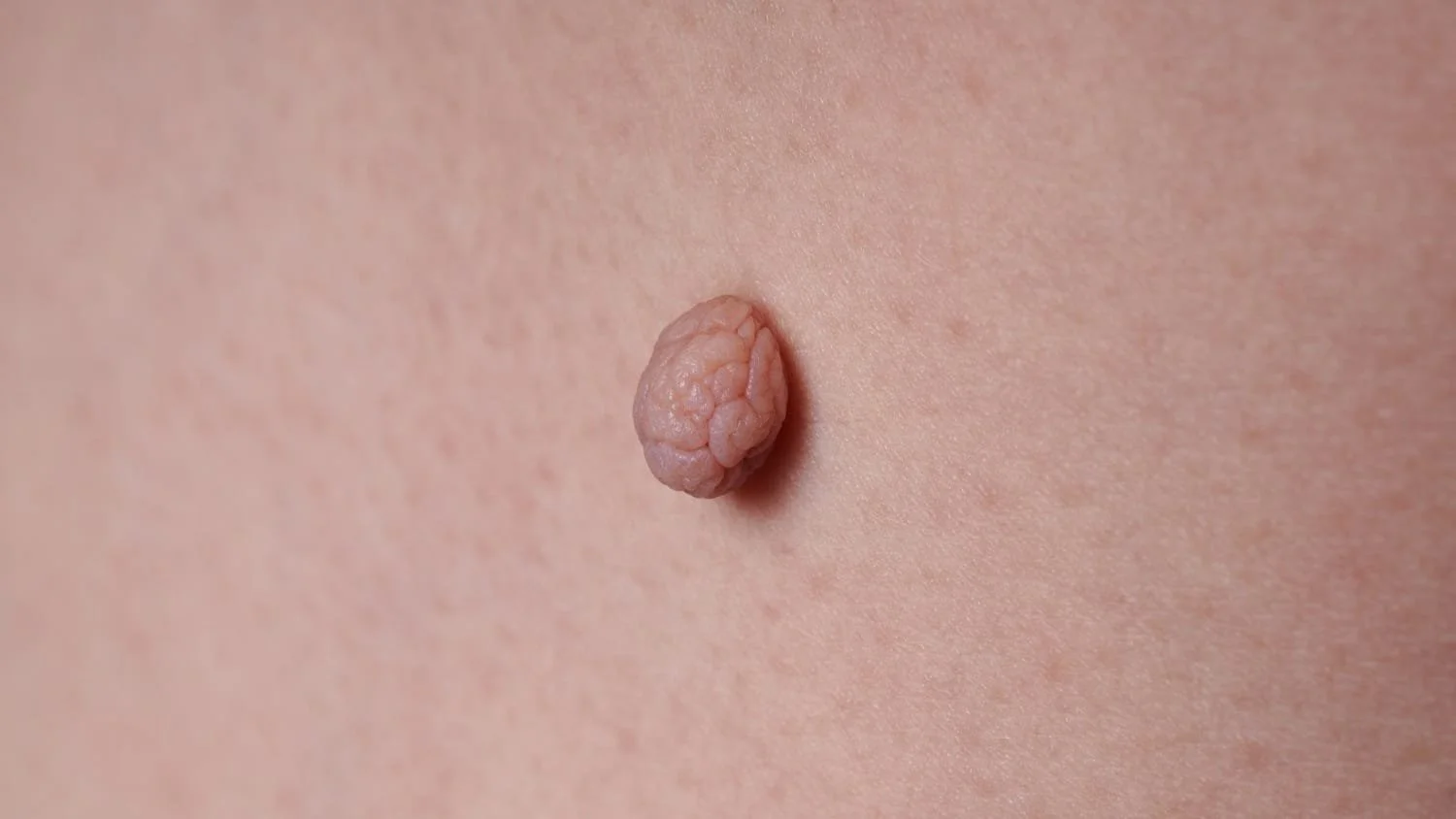
You've felt it a hundred times. That little piece of skin on your neck that catches on your necklace. The one under your arm that rubs against your bra strap. Or the small tag near your eyelid that you notice every time you do your makeup.
It's not a mole. It's not a wart. It's a skin tag, and it's one of the most common skin concerns I see in my Naples studio.
Skin tags are completely harmless. But I understand why you want them gone. They're annoying, they're visible, and they make you self-conscious. The problem? Most people try to remove them the wrong way, and that's where the real trouble starts.
What Are Skin Tags?
A skin tag (medically called an acrochordon) is a small, soft, flesh-colored growth that hangs from the skin by a thin stalk. They're made of collagen fibers and blood vessels surrounded by a layer of skin.
They typically range from 1 to 5 millimeters, about the size of a grain of rice, though some grow larger over time.
You'll usually find them in areas where skin rubs against skin or clothing:
Neck
Underarms
Under the bra line
Eyelids
Groin folds
They're benign. They're not cancerous. They don't spread. But they don't go away on their own, either.
Why Do You Get Them?
Skin tags become more common as we age, especially after 40. After two decades as an esthetician, I've noticed they tend to show up more frequently in people who share certain factors:
Friction. Areas where skin rubs together or against jewelry and clothing are the most common sites. That constant irritation triggers the growth.
Hormonal changes. Pregnancy, menopause, and conditions like PCOS are all associated with increased skin tag formation.
Genetics. If your parents had them, you're more likely to develop them too.
Weight. More skin folds means more friction, which means more opportunities for tags to form.
Insulin resistance. Studies have linked higher numbers of skin tags to insulin resistance and type 2 diabetes. If you're developing them rapidly, it's worth mentioning to your doctor.
They're incredibly common. By some estimates, nearly half of all adults will develop at least one skin tag in their lifetime.
Why You Shouldn't Remove Skin Tags at Home
I know the internet is full of DIY methods. Tying them off with string. Freezing them with over-the-counter kits. Cutting them with nail clippers.
Let me be direct: don't do any of that.
Here's why:
Infection risk. Non-sterile tools introduce bacteria directly into an open wound. I've seen clients come in with infections that took weeks to heal, all from a "quick snip" at home.
Bleeding. Skin tags contain blood vessels. Cutting one without proper technique can cause significant bleeding, especially on the neck or near the eyes.
Scarring. Improper removal often leaves a scar that's more noticeable than the tag itself. You trade one cosmetic issue for another.
Misidentification. Not every small growth is a skin tag. What looks like a tag could be a mole, a wart, or another skin irregularity that needs medical evaluation. Removing it yourself means no one has assessed it first.
The at-home freezing kits? They're unpredictable. They can damage surrounding skin, cause blistering, and leave dark spots, especially on sensitive areas like the neck and face.
The risk isn't worth it when professional removal here in Naples is fast, affordable, and virtually painless.
The Safe Way to Remove Skin Tags: The Skin Classic Treatment
The method I use in my studio is the Skin Classic, a device that removes skin tags quickly and precisely using high-frequency electrical current.
Here's how it works:
Consultation first. I examine the growth to confirm it's a skin tag and that it's safe to treat. This step matters. It's the one you skip when you do it at home.
Treatment takes seconds per tag. A fine probe touches the base of the skin tag and delivers a targeted current that dehydrates the tissue instantly. The probe stays on the surface. It never pierces the skin.
The tag dries up and falls off. Within 7–10 days, a small crust forms, then drops away naturally. What's left underneath is smooth, clear skin.
What does it feel like? A quick pinprick, sharp but instant. Most clients say "that's it?" when we're done.
How many sessions? Most skin tags are gone in one visit. If you have several, we can treat multiple tags in the same appointment.
Downtime? None. You walk out and go about your day.
Aftercare for Best Results
Don't pick or pull at the crust. Let it fall off naturally
Keep the area clean with a gentle cleanser
Apply SPF daily to the treated area
Avoid harsh exfoliants and retinol until fully healed
A gentle cleanser like the GlyMed Plus Mega Cream Cleanser works well during the healing phase. It cleans without irritating new skin.

Can You Prevent Skin Tags?
You can't prevent them entirely, especially if genetics and hormones are involved. But you can reduce friction-related tags:
Wear soft fabrics around the neck and underarms
Keep skin dry in fold areas. Moisture increases friction
Remove jewelry that rubs the same spot repeatedly
Maintain a consistent skincare routine. Healthy skin is more resilient
Talk to your doctor if you're developing skin tags rapidly. It may signal an underlying metabolic issue worth checking
New tags can still appear over time. When they do, professional removal is quick and simple.
Stop Googling DIY Methods. Let's Just Take Care of It
If a skin tag has been bothering you, catching on your clothes, making you self-conscious, or just sitting there being annoying, you don't need to live with it. And you definitely don't need to risk removing it yourself.
The Skin Classic treatment takes minutes, not hours. One visit to my Naples studio, and it's handled.
Book a consultation at Kim Gallo Esthetics and let's get rid of it the right way.