
Those Stubborn Little White Bumps? They're Milia. Here's How to Actually Get Rid of Them
We include products we think are useful for our readers. If you buy through links on this page, we may earn a small commission
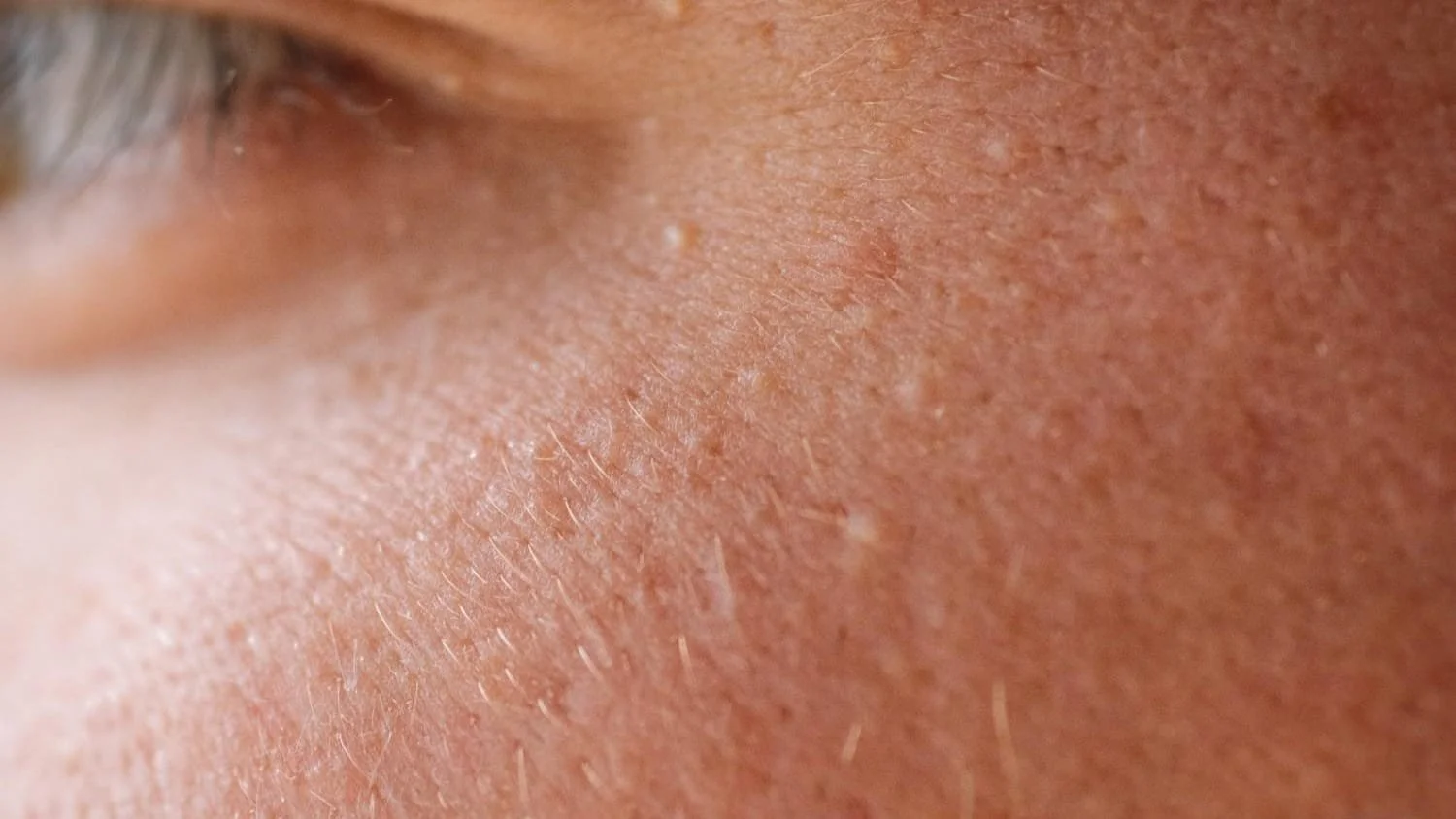
You've noticed them. Tiny, hard white bumps sitting just under your skin, usually around your eyes, on your cheeks, or across your forehead. They're not pimples. They don't pop. And no matter what cleanser, exfoliant, or "miracle serum" you've tried, they're still there.
Those bumps are called milia. And if you've been frustrated trying to get rid of them on your own, you're not alone. They're one of the most common concerns I see in my Naples studio.
The good news? They're harmless. The better news? There's a fast, effective way to remove them. Without scarring, without pain, and usually in a single visit.
What Are Milia, Exactly?
Milia are small cysts filled with a protein called keratin, the same protein that makes up your hair and nails. They form when dead skin cells get trapped just beneath the surface instead of shedding naturally.
Each bump is typically 1–2 millimeters wide. They're white or yellowish, firm to the touch, and completely painless. Unlike acne, milia aren't caused by bacteria or oil, which is exactly why acne products don't work on them.
You'll most often find them:
Around the eyes and on the eyelids
Across the cheeks and forehead
Along the nose
On the chin
They can appear at any age, but I see them most frequently in women over 40, often alongside other skin changes that come with shifting hormones and slower cell turnover.
Why Do You Have Them?
There's no single cause. But after 20+ years as an esthetician, I've seen the same patterns again and again:
Heavy skincare products. Rich eye creams, thick moisturizers, and occlusive balms can trap dead cells under the surface, especially around the delicate eye area.
Sun damage. Here in Naples, the year-round UV exposure thickens the outer layer of skin, making it harder for dead cells to shed properly.
Slow cell turnover. As we age, our skin doesn't renew itself as quickly. Dead cells linger longer and are more likely to get trapped.
Over-exfoliation or skin trauma. Ironically, aggressive scrubbing or harsh chemical peels can damage the skin surface and trigger milia formation during the healing process.
Genetics. Some people are simply more prone to them than others.
What Doesn't Work
Let me save you some time and frustration.
Don't try to squeeze them. Milia aren't like blackheads or whiteheads. There's no open pore to push through. Squeezing only damages your skin and can leave scars, especially around the eyes where skin is thinnest.
Don't expect products to dissolve them. Over-the-counter exfoliants and retinols can help prevent new milia by keeping cell turnover healthy. But they won't remove milia that already exist. The keratin is trapped under a sealed layer of skin. No topical product can reach it.
Don't try to extract them at home. I've seen the damage from DIY needle extractions: scarring, infection, hyperpigmentation. It's not worth the risk, especially on your face.
What Actually Works: The Skin Classic Treatment
The fastest, safest way to remove milia is with a professional treatment called the Skin Classic.
It uses high-frequency electrical current delivered through a tiny probe that barely touches the surface of the bump. The current targets the water inside the milia, dehydrating it instantly. The probe never pierces the skin. It stays on the surface the entire time.
Here's what the process looks like:
We start with a consultation. I examine the areas of concern and confirm the bumps are milia (not another condition).
Treatment takes minutes. Each bump is treated individually. You'll feel a quick pinprick sensation that stops the moment the probe lifts.
The bump forms a tiny crust that falls off naturally within 7–10 days, revealing smooth, clear skin underneath.
Most milia are resolved in one session. No downtime. No scarring when aftercare is followed. You can go right back to your day.
Aftercare Is Simple
Don't pick the crust. Let it fall off on its own.
Keep the area clean with a gentle cleanser.
Wear SPF daily. New skin is sensitive to UV.
Skip retinol and acids until fully healed.
For daily prevention, I recommend keeping your routine clean and lightweight. A gentle, non-comedogenic cleanser like the GlyMed Plus Mega Cream Cleanser helps keep pores clear without suffocating the skin, especially in the delicate areas where milia tend to appear.
How to Prevent Milia From Coming Back
Once treated, those specific bumps won't return. But new ones can form if the underlying habits don't change. Here's how to reduce your risk:
Use lighter products around your eyes. Switch to gel-based eye creams instead of heavy balms.
Wear SPF daily. Sun damage is one of the biggest contributors to milia formation.
Don't skip gentle exfoliation. A mild chemical exfoliant once or twice a week helps dead cells shed normally.
Avoid heavy, occlusive layers. If a product feels like it's sitting on top of your skin rather than absorbing, it may be contributing to the problem.
Get regular professional facials. Consistent professional care keeps cell turnover healthy and catches early buildup before it becomes visible.
Let's Take a Look
If those stubborn white bumps have been bothering you, and nothing you've tried at home has worked, it might be time to let a professional handle it.
The Skin Classic treatment is one of the quickest, most effective solutions I offer in my Naples studio. One visit, a few minutes, and they're gone.
Book a consultation at Kim Gallo Esthetics and let's get your skin smooth and clear again.