
That Softness Along Your Jawline? Here's What's Really Happening After 50
We include products we think are useful for our readers. If you buy through links on this page, we may earn a small commission
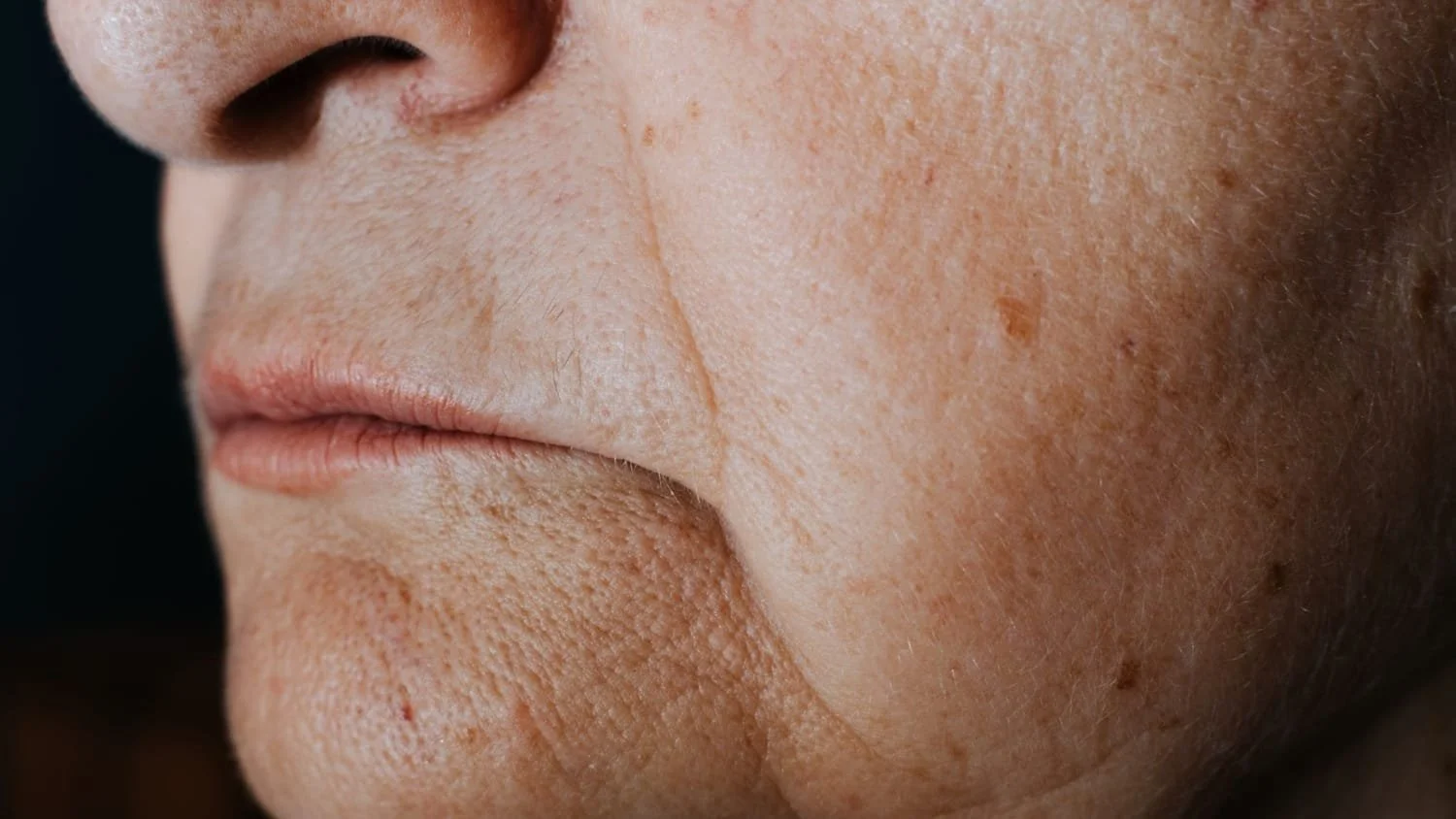
You didn't notice it in the mirror at first. You noticed it in a photo.
That softness along your jawline. The slight droop where your face used to have a clean, defined edge. You tilted the phone, adjusted the angle, and told yourself it was the lighting.
But it wasn't the lighting. And now you see it every time you look.
If this sounds familiar, you're not imagining things, and you're definitely not alone. Jowls are one of the most common concerns I hear from women over 50 in my Naples studio. And once you notice them, it's hard to un-notice them.
The good news? Understanding why they happen is the first step toward doing something about them. And there's more you can do than you probably think, without surgery.
What Are Jowls, Exactly?
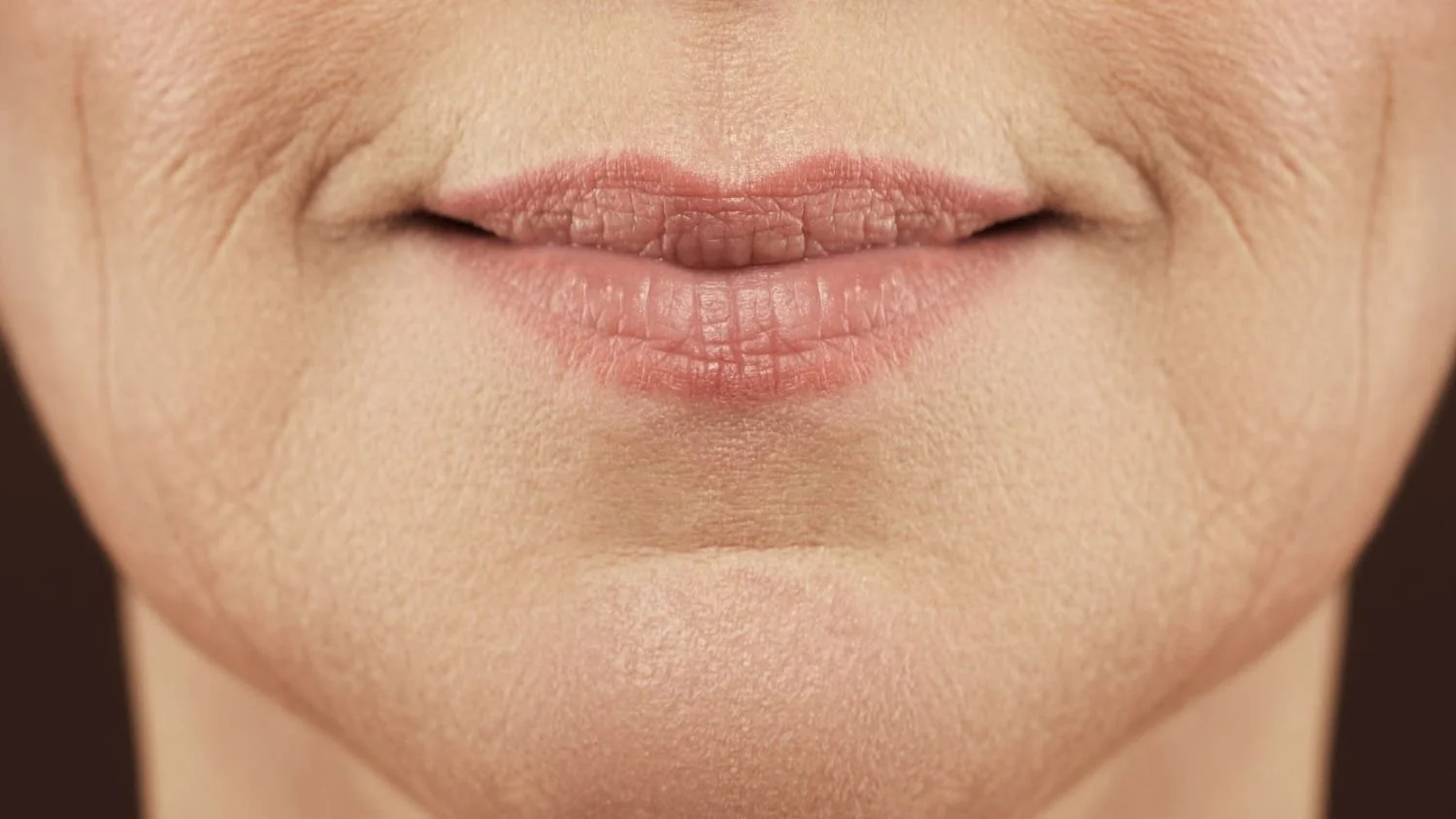
Jowls are the sagging skin and soft tissue that form along and below the jawline. They create that drooping or "heaviness" on either side of your chin, blurring the once-sharp line between your face and neck.
They're not a medical condition. They're not dangerous. But they change the shape of your face in a way that most people find aging, often more than wrinkles or dark spots do.
The frustrating part? You can't target them with skincare products. No cream, serum, or mask can lift tissue that's already dropped. Understanding why they form explains why topical solutions fall short.
Why Jowls Happen After 50
Jowling isn't caused by one thing. It's the result of several biological changes happening at the same time, and after 50, they accelerate.
Collagen and Elastin Breakdown
Collagen is the protein that keeps your skin firm. Elastin is what gives it bounce. After 30, your body produces less of both every year. By your 50s, you've lost a significant percentage of both, and the skin simply can't hold its structure the way it used to.
Think of collagen as the scaffolding inside your skin. When the scaffolding weakens, everything starts to sag.
Bone Loss in the Jaw and Midface
This is the one most people don't know about. Your facial bones actually shrink as you age. The jaw, cheekbones, and eye sockets all lose volume over time.
When the bone structure that your skin is draped over gets smaller, the skin has more surface area than it has support. The excess pools along the jawline, and that's a jowl.
Fat Redistribution
When you're younger, facial fat is evenly distributed, in your cheeks, temples, and around your eyes. After 50, that fat migrates downward. The cheeks lose volume while the lower face gains it.
That shift pulls the midface down and adds weight along the jawline, making jowls more pronounced.
Muscle Weakening
Your facial muscles lose tone with age, just like the rest of your body. The platysma, the broad, thin muscle that runs from your chest up over your jawline, loosens over time. When it slackens, it stops supporting the tissue above it.
Gravity and Sun Damage
Gravity is working on your face every day. Over decades, it adds up. And here in Naples, the year-round sun exposure compounds the problem. UV breaks down collagen and elastin faster than aging alone.
If you've spent years in the Florida sun without consistent SPF, jowling may appear earlier and more noticeably than it would otherwise.
What Doesn't Work for Jowls
Let me save you some frustration.
Firming creams and serums. Products that claim to "lift" or "tighten" can temporarily improve skin texture and hydration. But they cannot physically lift tissue that has dropped due to structural loss. The causes, bone shrinkage, fat migration, muscle weakening, are beneath the surface where topicals can't reach.
Facial exercises. There's little evidence they reduce jowling. In some cases, repetitive facial movements can actually create new lines and worsen skin laxity.
Jade rollers and gua sha. They can reduce puffiness and feel great. But they don't tighten sagging tissue or rebuild lost collagen. They're maintenance tools, not corrective treatments.
If your jowls are mild to moderate, professional non-invasive treatments can make a visible difference. If they're severe, a consultation helps determine what's realistic without surgery.
What Actually Helps: Non-Invasive Treatments That Work
You don't have to jump straight to a facelift. For mild to moderate jowling, these are the treatments I recommend most often to my Naples clients.
Microcurrent Facial
This is the closest thing to a non-surgical facelift that I offer. A microcurrent facial delivers low-level electrical currents that retrain and tone the facial muscles, including the ones along the jawline that have weakened.
The result is an immediate lifting effect that improves with each session. Most clients see a noticeable difference in jawline definition after a series of treatments.
Best for: Early to moderate jowling where muscle tone loss is a primary factor.
Microneedling
Microneedling triggers your skin's natural collagen production by creating controlled micro-injuries. Over time, the new collagen firms and tightens the skin, improving the overall structure that supports the jawline area.
It won't "lift" a jowl the way microcurrent does, but it rebuilds the foundational firmness that slows further sagging.
Best for: Combining with microcurrent for a two-pronged approach. Lift the muscle, rebuild the collagen.
Kim's Luminous Lift
My signature 90-minute treatment combines multiple modalities: lifting, firming, hydrating, and smoothing in one session. It's designed for clients who want comprehensive anti-aging results, and jowling is one of the primary concerns it addresses.
Best for: Clients who want visible improvement in a single session, especially before a special event.
LED Light Therapy
LED therapy stimulates collagen production and improves cellular energy in the skin. It's not a standalone fix for jowls, but it enhances results when combined with microcurrent or microneedling. I include it in several of my facial treatments for exactly this reason.
Best for: Boosting and maintaining results from other treatments.
What About Surgery?
I'm an esthetician, not a surgeon, so I'll be direct about the limits. For severe jowling caused by significant bone loss and skin laxity, non-invasive treatments can improve but not fully correct the issue. A facelift may be worth discussing with a qualified physician.
What I can do is help you maximize your results non-surgically, and for many clients, that's enough to feel confident in their jawline again. Several of my clients have delayed or avoided surgery entirely by staying consistent with professional treatments.
Let's Take a Look at What's Going On
Every jawline is different. The right approach depends on how much sagging you're dealing with, what's causing it, and what your goals are.
That's exactly what a consultation is for. I'll assess your skin, look at the structural changes, and recommend a realistic plan, no overselling, no false promises.
Book a consultation at Kim Gallo Esthetics and let's figure out the best path forward for your skin.