
Acne Scar Treatment in Naples FL: What Actually Works
We include products we think are useful for our readers. If you buy through links on this page, we may earn a small commission
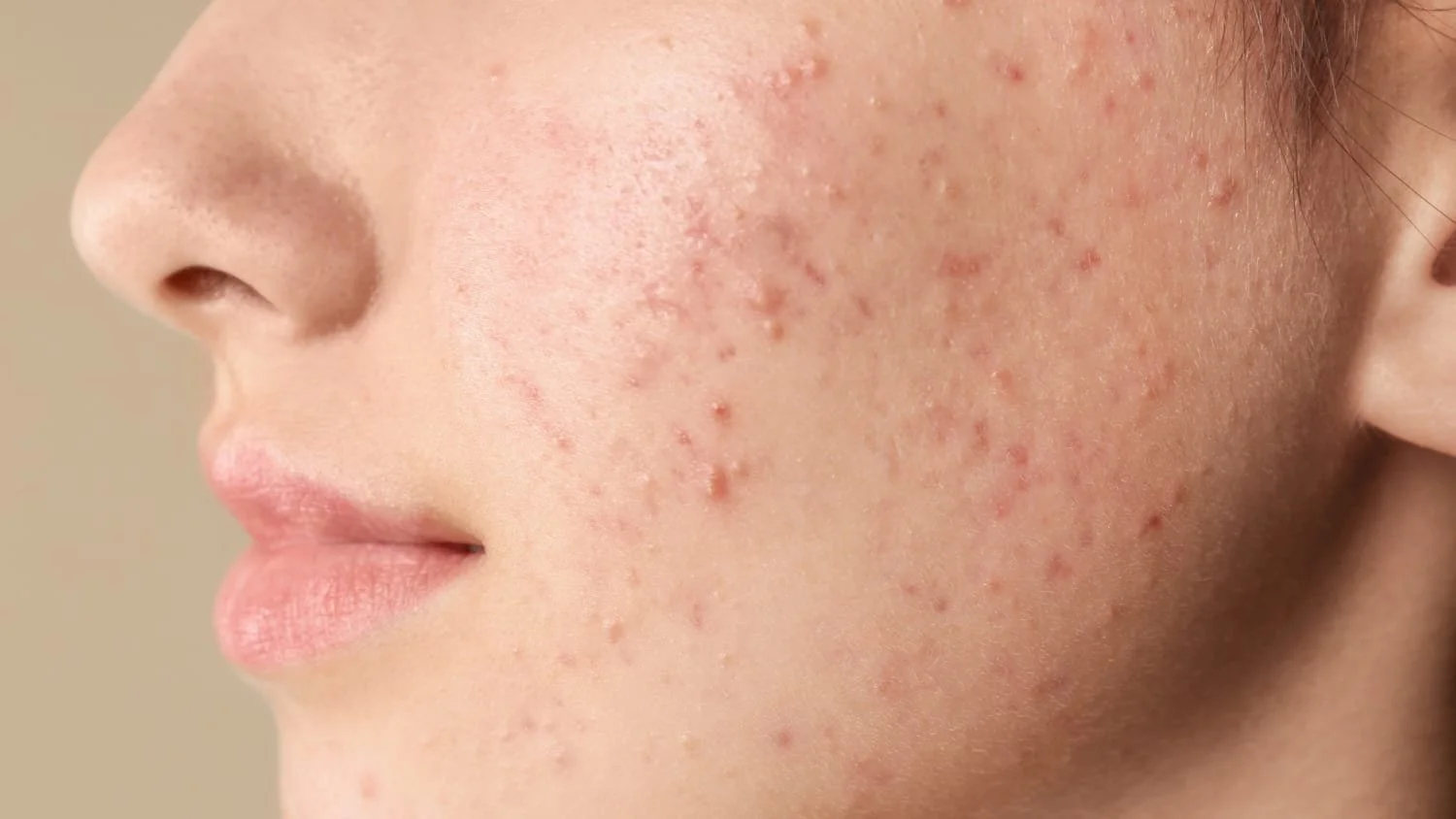
The difference between an active breakout and an acne scar is time, and time is exactly what makes scars so stubborn. A pimple heals in days. A scar is your skin's repair crew laying down collagen either too thin or too thick, leaving a divot or a raised ridge that sunscreen and serums alone won't lift.
If you've been searching for acne scar treatment in Naples FL, you already know the frustration: the acne cleared, but the scars it left behind didn't.
Here's what twenty plus years of working with skin in a private studio teaches you about acne scar treatment in Naples FL. Real correction depends on matching the treatment to the scar type, the depth, and your skin tone. There's no single machine that erases everything, and anyone promising that is selling you the machine, not the result.
What follows is a full breakdown of scar types, the treatments that move the needle, realistic timelines, cost factors, and where at-home care fits.
Why acne scars form in the first place
When a breakout ruptures deep in the dermis, your body rushes collagen to the wound to close it. Sometimes it lays down too little, and the skin sinks into a pit. Sometimes it overproduces, and you get a raised bump.
The inflammation from cystic, nodular acne is the usual culprit, which is why deep, painful breakouts leave the worst marks. If you're still dealing with active flares, treating those first matters, because new inflammation just makes new scars. My breakdown of cystic acne gets into why those deep lesions are the ones most likely to scar.
One thing people confuse constantly: those flat brown or red marks left after a pimple aren't true scars. They're post-inflammatory hyperpigmentation and post-inflammatory erythema, discoloration in the skin's surface layers. They fade on their own over months, and they respond beautifully to the range of options for treating hyperpigmentation. True scars are textural, a change in the actual architecture of the skin, and those need a different toolkit.
The five types of acne scars, and how to tell them apart
Before any treatment conversation makes sense, you have to know what you're looking at. Run your fingertip over the area and watch how the light catches the surface. Scar type dictates everything that comes after.
Icepick scars are narrow, deep, and steep, like someone pressed a toothpick into the skin. They're the hardest to treat because they punch far into the dermis.
Boxcar scars have wider, sharp-edged walls, like small craters. Shallow ones respond well to resurfacing; deep ones need more layered work.
Rolling scars give the skin a soft, undulating, wave-like texture. They're caused by fibrous bands tethering the surface down from underneath.
Hypertrophic scars are raised and firm but stay within the original wound's borders.
Keloid scars are also raised but grow beyond the original site. They're more common on the chest, back, and jawline, and they need careful, conservative handling.
Most people have a mix, especially across the cheeks, where rolling and boxcar scars often overlap. That's why a single treatment rarely finishes the job. The atrophic scars (icepick, boxcar, rolling) all sit below the surface and need collagen rebuilt from below. The raised scars (hypertrophic, keloid) need the opposite, calming and flattening overactive tissue.
Acne scar treatment in Naples FL: the options that work
Local clinics tend to lead with lasers because lasers are dramatic and profitable. They can work well. But they're one tool among several, and for a lot of people they're not the right first move. Here's the full range, from what an esthetician can do in a boutique setting to what belongs in a dermatology or medical setting.
Microneedling
Microneedling is my workhorse for atrophic acne scars, and for good reason. A pen of fine needles creates thousands of controlled micro-channels in the skin, tricking your body into a fresh wound-healing response, which means new collagen and elastin laid down exactly where the scars pulled it thin. For rolling and shallow boxcar scars, a series of sessions can visibly smooth the texture.
The microneedling treatment works with your own biology instead of ablating tissue away, which is part of why the downtime is shorter than laser and why it's safer across a wider range of skin tones. If you want the full picture of what it addresses, the rundown of microneedling benefits covers the eight concerns it touches.
Expect redness like a mild sunburn for a day or two. Most scar protocols run three to six sessions spaced about four to six weeks apart, because collagen remodeling is slow and cumulative. You'll notice early softening within a few weeks, but the real payoff builds over months as new collagen matures.
Microneedling with exosomes or PRP
You can amplify microneedling by pairing it with growth-factor serums. Exosomes are tiny cellular messengers that signal your skin to repair faster and more completely, and pressed into those fresh micro-channels, they can improve texture, tone, and healing speed.
Microneedling with exosomes is one of the stronger combination approaches for scarring. PRP (platelet-rich plasma, drawn from your own blood) works on a similar principle. If you're weighing the two, the comparison of exosomes versus PRP lays out how they differ.
Chemical peels
Peels shine for shallow scarring and the discoloration that rides alongside it. A medium-depth peel dissolves the bonds holding dead surface cells together and nudges cell turnover, softening fine texture and fading post-inflammatory marks over a series. They won't erase a deep icepick scar, but layered into a plan they keep the skin's surface working with everything else. Our customized chemical peels get dialed to your skin's tolerance rather than a one-size formula, and if you're new to them, the overview of chemical peel types explains how depth changes the result.
Laser resurfacing
Ablative and fractional lasers (the CO2 and Fraxel-family systems you'll see advertised around Naples, Bonita Springs, and Fort Myers) vaporize columns of skin to force a large-scale rebuild. For deep, widespread scarring, laser resurfacing can produce the most dramatic single-treatment change.
The tradeoff is real downtime, days to a couple of weeks depending on depth, and a higher risk profile. This is a medical procedure best done in a dermatology or physician-supervised setting, not a facial studio.
Subcision and fillers
For rolling scars anchored by those fibrous bands underneath, subcision uses a needle to release the tethers so the skin can float back up. Fillers can lift depressed scars temporarily by adding volume beneath them. Both are medical procedures and belong with a qualified physician injector. They pair well with resurfacing done in the same treatment arc.
Skin Classic for raised irregularities
For certain raised skin irregularities, a targeted high-frequency treatment can address the tissue directly. The Skin Classic treatment handles a range of surface irregularities, though true keloids specifically need a physician's care because of how aggressively they can recur.
How the treatments compare
No competitor page in the Naples results puts this side by side, so here's the grid I'd want if I were the one booking. Costs are described as factors rather than fixed numbers because they swing widely with severity and provider.
| Treatment | Best for | Typical sessions | Downtime | Setting |
|---|---|---|---|---|
| Microneedling | Rolling, shallow boxcar | 3–6 | 1–2 days redness | Esthetician |
| Microneedling + exosomes/PRP | Mixed atrophic scarring | 3–5 | 2–3 days | Esthetician |
| Chemical peels | Shallow texture, discoloration | Series of 4–6 | Minimal to peeling | Esthetician |
| Fractional laser | Deep, widespread scarring | 1–3 | Days to ~2 weeks | Physician/derm |
| Subcision | Tethered rolling scars | 1–2 | Bruising ~1 week | Physician/derm |
Read that grid as a starting map, not a menu to order from blind. A proper assessment in person is what tells you which row (or which combination of rows) fits your skin.
Skin tone changes the plan, and Naples skin is diverse
This is the piece almost no one addresses, and it matters here. Naples skin runs the full range of Fitzpatrick types, and the darker your skin's melanin, the higher the risk that aggressive heat-based treatments trigger post-inflammatory hyperpigmentation or, occasionally, new scarring. Ablative lasers carry the most risk for deeper skin tones in untrained hands.
That's a big part of why microneedling has become such a valuable tool for scar work across a wide range of complexions: it stimulates collagen through controlled injury without depending on heat that targets pigment. It's not risk-free, and technique still matters enormously, but the safety window is wider.
If your skin tans easily or rarely burns, this consideration should shape your entire plan. A provider who doesn't ask about your Fitzpatrick type before recommending a laser is skipping a step that protects you.
Combination protocols and realistic timelines
The most common mistake is expecting one treatment to finish scarring that took years of breakouts to form. Deep, mixed scarring almost always calls for a layered plan: subcision to release tethers, then microneedling or fractional resurfacing to rebuild collagen, then peels and pigment care to polish the surface, spaced out so the skin fully heals between rounds.
A realistic arc for moderate atrophic scarring might look like a microneedling series over four to six months, with peels folded in between, and pigment support running throughout. You'll see gradual improvement, not an overnight reset. Collagen remodeling is a months-long process, and the results keep maturing for up to six months after your last session. Improvement is usually long-lasting because you've rebuilt actual tissue, though ongoing sun protection and maintenance keep it looking its best.
The goal isn't a single dramatic before-and-after. It's steady, compounding improvement where each treatment builds on the last until the texture reads smooth in natural light.
What you can do at home, and what needs a professional
At-home care won't fill a deep scar, but it does two important jobs: it prevents new scars by keeping acne calm, and it keeps your skin healthy so professional treatments work harder. Sunscreen is non-negotiable, because UV exposure darkens scars and slows healing. A daily broad-spectrum SPF is the single most protective habit for anyone with scarring.
Retinoids are your other heavy hitter at home. They speed cell turnover and gently stimulate collagen over time, which supports scar work and helps prevent the breakouts that cause new scars. If you're building a routine, the comparison of retinol and tretinoin helps you pick the right strength.
I work exclusively with GlyMed Plus professional products, which are medical-grade formulas built to support the skin through and between treatments, and dialing in the right regimen is part of any scar plan I put together.
One thing to skip: at-home microneedling rollers marketed for scars. The needles are too short to reach scar-depth collagen, and the risk of infection and irritation is real. Professional depth and sterile technique are what make the treatment safe and effective, which the piece on at-home microneedling risks explains in detail. Leave the needling to a controlled setting.
Who's a good candidate
Most people with settled acne scars are candidates for something, but the right something depends on your skin. You're a strong candidate for a treatment plan if your active acne is under control, you have realistic expectations about a series rather than a single fix, and you're willing to commit to sun protection. If you're still actively breaking out, we clear that first. If you scar easily or have a history of keloids, that shapes the plan toward gentler, physician-supervised approaches.
Age, skin tone, scar depth, and how your skin has healed in the past all factor in. That's exactly the conversation a consultation is for. Working out of a private studio means the plan is built around your skin specifically, not slotted into a package that treats everyone the same.
Frequently asked questions
-
Cost depends on the scar type, the severity, and which treatments your plan calls for, so there's no single flat price. Microneedling series run differently than laser resurfacing or subcision, and combination plans cost more than a single modality.
The right way to get an accurate number is a consultation where your skin gets assessed in person and a plan gets built to match it. Beware any quote given before anyone has looked closely at your skin.
-
For most atrophic scarring treated with microneedling, plan on three to six sessions spaced four to six weeks apart. Chemical peels usually run as a series of four to six. Laser resurfacing can sometimes achieve more in one to three sessions but with more downtime. You'll see early softening within weeks, but the fuller result builds over several months as collagen remodels.
-
Most treatments are well tolerated with a numbing cream applied first. Microneedling feels like a scratchy vibration and leaves you looking sunburned for a day or two. Peels can cause light flaking. Laser and subcision involve more, from a few days of peeling to about a week of bruising. Your downtime should be matched to your schedule during planning, so nothing catches you off guard.
-
Yes, and for deeper scarring combining them is usually the smarter path. Subcision releases tethered scars, microneedling or laser rebuilds collagen, and peels plus pigment care refine the surface. Growth-factor add-ons like exosomes or PRP amplify the healing from needling. The key is spacing everything so your skin fully recovers between rounds.
-
The improvement from collagen-building treatments is long-lasting because you've rebuilt real tissue, not masked anything. What you want to prevent is new scarring, which means keeping any active acne under control and protecting your skin from the sun. Ongoing maintenance and a solid home routine keep your results looking their best over time.
Where to start
If your acne has settled but the texture it left behind still bothers you every time the bathroom light hits your cheeks a certain way, you have real options, and effective acne scar treatment in Naples FL starts with knowing exactly which scars you're working with.
The smartest first move isn't booking a laser you saw advertised. It's sitting down with someone who'll look closely at your skin, ask about your tone and your history, and map out a plan built for your face rather than a template. When you're ready to figure out what your skin needs, a consultation is the natural place to begin, and there's no pressure to commit to anything before you understand your options.