
How to Build a Skincare Routine for Sensitive Skin Without the Stress
We include products we think are useful for our readers. If you buy through links on this page, we may earn a small commission
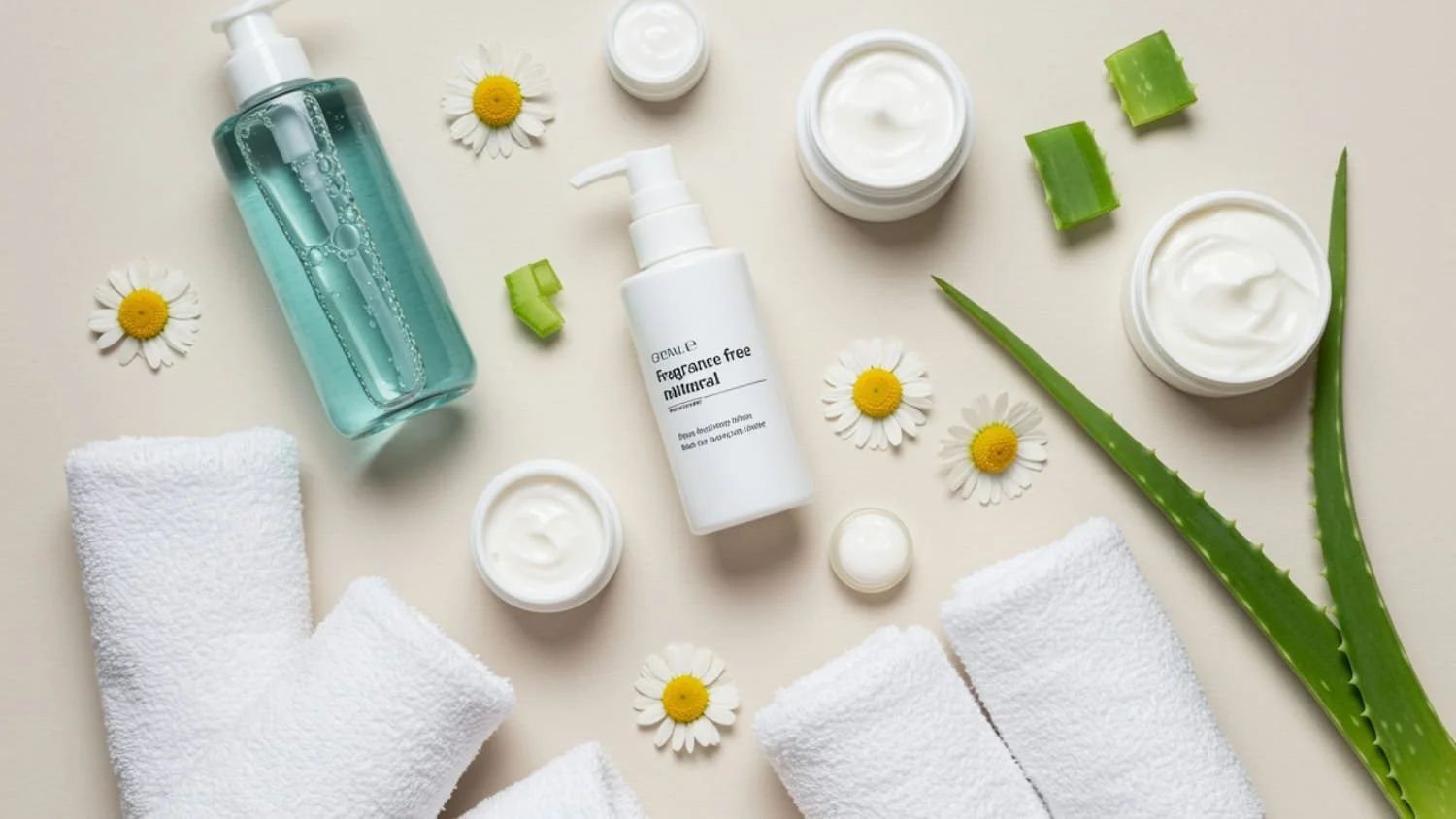
If your skin stings at the slightest touch, turns red after trying a new product, or feels perpetually irritated, you're not alone. Sensitive skin can be frustrating. It often feels like a guessing game trying to find products that won't trigger a reaction.
The good news? You don't need a 12-step routine with dozens of products to calm your complexion. In fact, for sensitive skin, less is often more.
I've spent over 20 years helping clients in Naples navigate their unique skin concerns. Through this experience, I've learned that sensitive skin thrives on simplicity, consistency, and choosing the right ingredients.
This guide will walk you through understanding what triggers sensitivity, which ingredients to embrace (and avoid), and how to build a gentle routine that actually works.
Understanding the Root Cause: Why Is My Skin So Sensitive?
Sensitive skin isn't just about discomfort. It's a sign that your skin barrier needs attention.
Your skin barrier, also known as the stratum corneum, acts as your body's first line of defense. When it's functioning properly, it keeps irritants out and moisture in. But when it's compromised, everything from pollution to harsh ingredients can penetrate more easily, leading to redness, stinging, and inflammation.
Several factors can weaken your skin barrier:
Environmental factors: Living in Naples means exposure to intense sun, high humidity, and environmental pollution. These elements can stress your skin over time.
Over-exfoliation: Using too many acids or physical scrubs strips away the protective oils that keep your barrier intact.
Genetics: Some people are simply born with more reactive skin. Conditions like rosacea, eczema, and dermatitis are often hereditary.
Lifestyle choices: Poor sleep, stress, and an imbalanced diet can all impact how your skin responds to products and environmental stressors.
Understanding these triggers is the first step toward building a routine that supports your skin rather than working against it.
Ingredients 101: What to Look For and What to Avoid
Not all skincare ingredients are created equal, especially when it comes to sensitive skin. Knowing which ones to seek out (and which to skip) can make all the difference.
The Best Friends of Sensitive Skin
Ceramides: These lipids are naturally found in your skin and play a crucial role in maintaining the barrier. Products with ceramides help repair damage and prevent moisture loss.
Hyaluronic Acid: This hydrating powerhouse attracts water to your skin without causing irritation. It's gentle enough for even the most reactive complexions.
Niacinamide: When used in lower concentrations (around 5%), niacinamide reduces inflammation and redness. It's a true multitasker for sensitive skin.
Aloe & Chamomile: These natural soothers provide immediate relief for irritated skin. They're ideal for calming flare-ups and reducing discomfort.
The "Red Flags" to Avoid
Fragrance & Essential Oils: These are the number one cause of contact dermatitis in sensitive skin. Even "natural" fragrances can trigger reactions.
Harsh Sulfates (SLS): Sulfates strip away your skin's natural oils, leaving it feeling tight and vulnerable. Look for sulfate-free cleansers instead.
High-Percentage Acids: Strong glycolic or salicylic acids can cause burns and irritation on reactive skin. If you do use acids, start with lower concentrations and limit frequency.
Alcohol: Denatured alcohol dries out your skin and can cause stinging. Check ingredient lists carefully to avoid it.
Your Step-by-Step Skincare Routine for Sensitive Skin
Building a routine for sensitive skin doesn't have to be complicated. The key is choosing gentle, barrier-supporting products and using them consistently.
The Morning Routine: Protect and Soothe
Step 1: Rinse or Gentle Cleanse
Start your day with lukewarm water or a creamy, non-foaming cleanser. Avoid hot water, as it can strip your skin and cause redness.
Step 2: Hydrating Toner/Essence
Skip alcohol-based toners. Instead, look for a mist or essence that adds hydration without irritation.
Step 3: Antioxidant Serum
A gentle Vitamin C serum (or alternative like niacinamide) helps fight free radicals and environmental damage. Choose one formulated specifically for sensitive skin.
Step 4: Moisturizer
Lock in hydration with a barrier-repairing cream. Look for formulas with ceramides and hyaluronic acid.
Step 5: Sun Protection (Crucial)
This step is non-negotiable. Use a mineral-based SPF with zinc oxide or titanium dioxide. Chemical sunscreens can sometimes trap heat and irritate sensitive skin, so mineral options are often better tolerated.
The Evening Routine: Repair and Restore
Step 1: Gentle Cleanse
Remove makeup, SPF, and daily buildup with a cleansing balm or oil. These formulas reduce friction and are less likely to irritate.
Step 2: Treat (Optional & Gentle)
If you're using actives like a gentle retinol or exfoliant, introduce them slowly. Start with once or twice a week and monitor how your skin responds.
Step 3: Rich Moisturizer
Use a slightly heavier cream at night to support your skin's natural repair process while you sleep.
Expert Tips for Managing Sensitive Skin
Beyond your daily skincare routine, there are a few habits that can help you keep sensitivity under control.
The Patch Test Rule: Before applying any new product to your face, test it on a small area (like behind your ear or on your inner arm) for 24-48 hours. This can save you from a full-face reaction.
Watch the Water Temperature: Hot water may feel relaxing, but it strips oils and causes flushing. Always wash with lukewarm or cool water.
Don't Over-Exfoliate: Limit exfoliation to once a week using an enzyme exfoliant rather than a gritty scrub. Physical exfoliants can cause micro-tears in already sensitive skin. Learn more about gentle exfoliation techniques.
Listen to Your Skin: If a product stings or causes redness, stop using it immediately. Your skin is telling you something important. Don't try to "push through" discomfort.
Shop This Blog: GlyMed Plus Favorites
Professional-grade products are formulated to deliver results without unnecessary fillers that often cause irritation.
Here are a few of my go-to recommendations for sensitive skin:
Gentle Cleanser: GlyMed Plus Mega Cream Cleanser gently removes impurities without stripping your skin.
Barrier Support: GlyMed Plus Comfort Cream helps repair the acid mantle and restore balance.
Soothing Serum: GlyMed Plus CBD Skin Mist calms redness instantly and provides anti-inflammatory benefits.
Browse the full GlyMed Plus Collection here
Need Help Calming Your Complexion?
Navigating sensitive skin can feel overwhelming, but you don't have to figure it out alone.
If you're tired of guessing which products won't irritate your skin, I can help. At Kim Gallo Esthetics in Naples, I work with clients to create customized routines that restore their barrier and rebuild their confidence.
Understanding your skin's unique pH balance and choosing the right products for your specific needs can transform your complexion.