
Sunscreen Confusion? How to Pick the Right SPF for Your Skin (Without Overthinking It)
We include products we think are useful for our readers. If you buy through links on this page, we may earn a small commission

You know you're supposed to wear sunscreen every day. That part isn't up for debate.
But standing in the skincare aisle, staring at 50 different bottles with terms like "broad spectrum," "mineral," "chemical," "SPF 30," "SPF 50," "reef safe," and "invisible finish," it's easy to feel stuck. You end up either grabbing whatever's closest or skipping it entirely because the decision feels too complicated.
Here's what you actually need to know: the best sunscreen for your skin is one you'll wear every single day. Beyond that, the choice comes down to your skin type, your concerns, and whether you prefer a mineral or chemical formula.
After 20+ years as an esthetician in Naples, where my clients deal with year-round UV exposure, sunscreen is the product I talk about most. Let me make this simple.
Why Sunscreen Matters More Than Any Other Product
I say this to every client: if you only use one skincare product, make it sunscreen.
UV radiation is the single biggest external contributor to premature aging. It breaks down collagen and elastin, causes dark spots and hyperpigmentation, thickens the skin's surface, and accelerates every visible sign of aging.
Living in Naples means this isn't a seasonal concern. The UV index here is high most of the year. Even on cloudy days, up to 80% of UV rays penetrate through. Even indoors, UVA rays pass through windows.
Every anti-aging treatment I perform, whether it's a chemical peel, microneedling, or a facial, works better and lasts longer when the client wears SPF daily. Without it, you're undoing your own results.
Related: 4 Ways the Sun's UV Rays Can Negatively Affect Your Skin
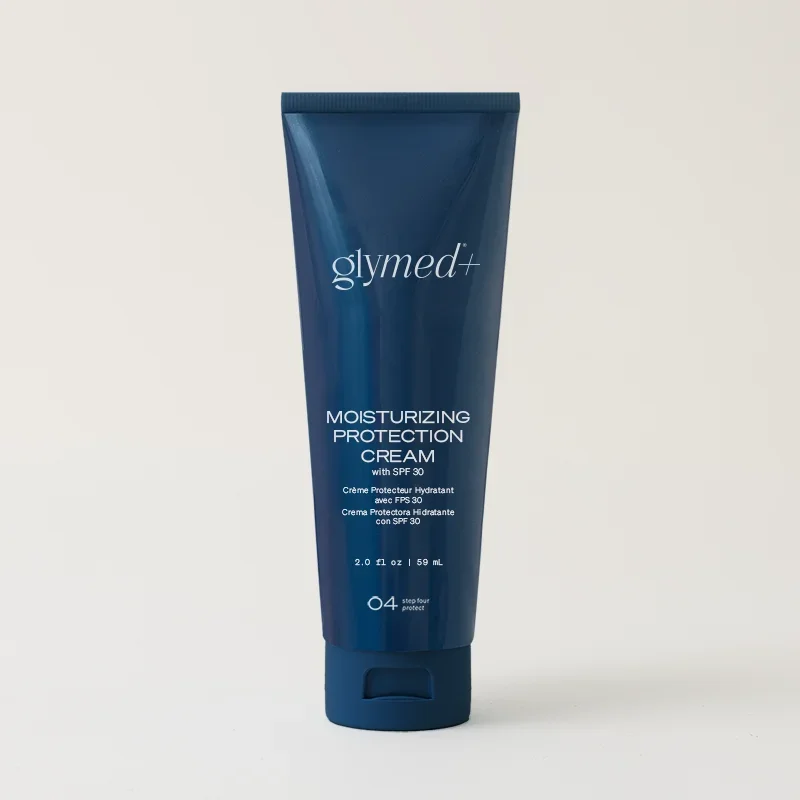
Moisturizing Protection Cream with SPF 30
This FDA-approved, anti-aging moisturizer shields the skin from harmful UVA and UVB rays with a sun protection factor of 30.
Moisturizing Protection Cream also delivers powerful antioxidant defense and essential lipid support to prevent dehydration all day long.
Mineral vs. Chemical Sunscreen: What's the Difference?
This is the first decision to make, and it's simpler than it sounds.
Mineral sunscreen (also called physical sunscreen) sits on top of the skin and reflects UV rays away from the surface. The active ingredients are zinc oxide, titanium dioxide, or both.
Starts working immediately upon application
Less likely to irritate sensitive or reactive skin
Can leave a white cast, especially on darker skin tones
Tends to feel thicker on the skin
Chemical sunscreen absorbs into the skin and converts UV rays into heat, which is then released from the body. Common active ingredients include avobenzone, octinoxate, and oxybenzone.
Needs 15 to 20 minutes to activate after application
Applies thinner and blends more easily
More likely to cause irritation for sensitive skin
Some ingredients (oxybenzone, octinoxate) have raised environmental and health concerns
Which one should you choose? If you have sensitive skin, rosacea, or are recovering from a treatment like a peel or microneedling, go with minerals. If you prefer a lightweight, invisible finish and your skin tolerates chemical filters well, either works.
For most of my Naples clients, I recommend mineral sunscreen. It's gentler, it works immediately, and it plays well with other skincare products and makeup.
What SPF Number Do You Actually Need?
SPF 30 blocks approximately 97% of UVB rays. SPF 50 blocks about 98%. SPF 100 blocks about 99%.
The difference between SPF 30 and SPF 50 is small. The difference between wearing SPF 30 and wearing nothing is enormous.
SPF 30 is the minimum I recommend. For clients who spend significant time outdoors in Naples, especially during peak hours between 10 a.m. and 4 p.m., SPF 50 offers a slight edge.
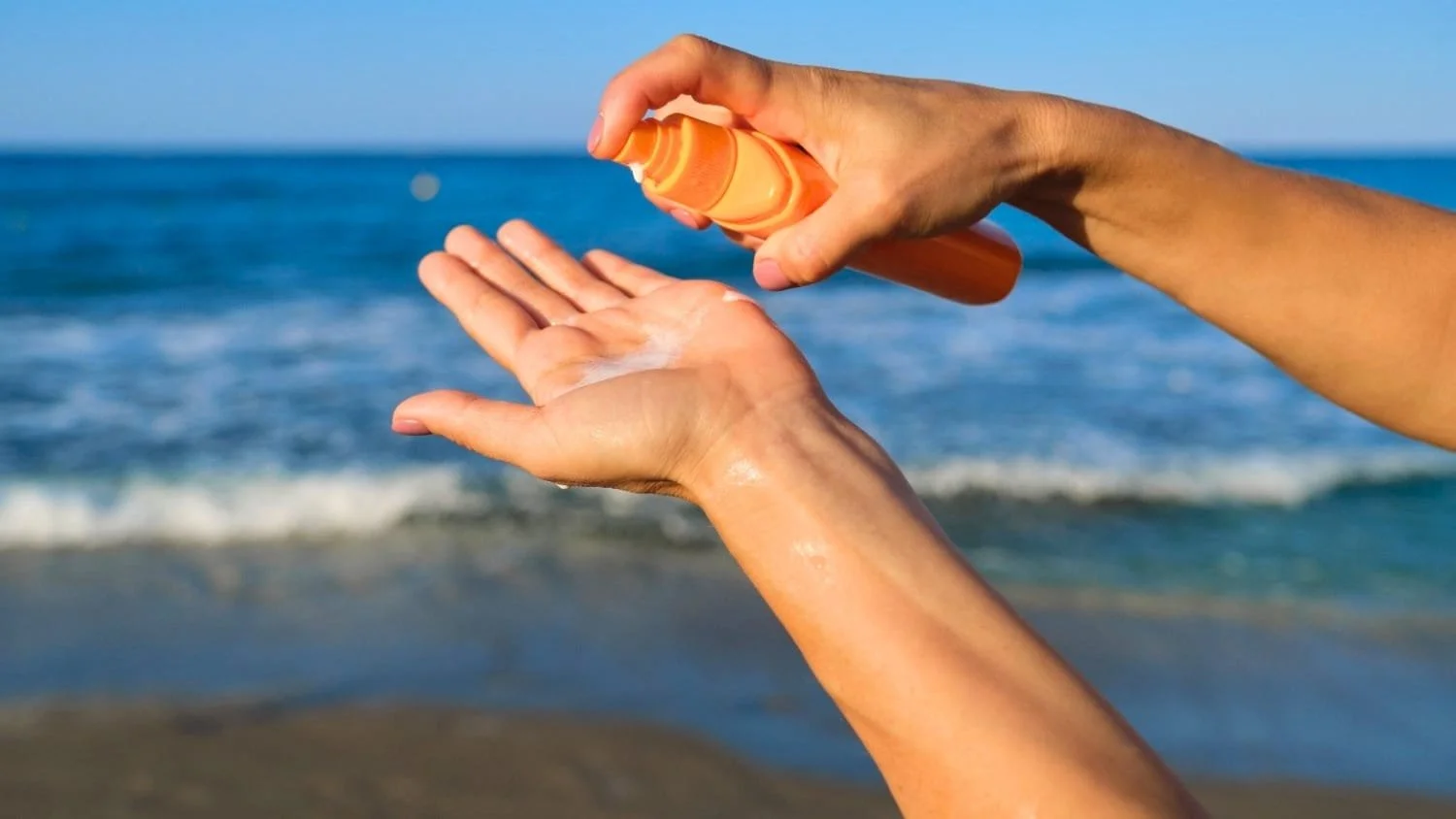
More important than the number on the bottle is how much you apply and how often you reapply. Most people use about a quarter of the amount they need. A full face requires about a nickel-sized amount, applied generously and evenly.
Reapply every two hours if you're outdoors, or immediately after swimming or sweating.
How to Choose Sunscreen for Your Skin Type
Oily or Acne-Prone Skin
Look for oil-free, non-comedogenic formulas labeled "matte finish" or "shine control." Lightweight chemical sunscreens or mineral sunscreens with micronized zinc tend to work best. Avoid heavy, creamy formulas that will add shine or clog pores.

Oil-Free Protective Moisturizer with SPF 30
This Elite sun protectant is a moisturizing, broad-spectrum sunscreen that hydrates and protects without leaving the skin greasy.
At an SPF 30, this Oil-Free Protective Moisturizer promotes silky smooth skin while defending it against harmful UVA and UVB rays.
Dry Skin
Choose a sunscreen with added hydrating ingredients like hyaluronic acid, ceramides, or glycerin. Cream-based formulas work well here. They provide sun protection while also supporting your moisture barrier.
Sensitive Skin or Rosacea
Mineral sunscreen with zinc oxide is your safest bet. Avoid fragrances, alcohol, and chemical filters like oxybenzone. Look for labels that say "for sensitive skin" or "dermatologist tested." If your skin reacts to most products, patch test any new sunscreen on your jawline for 24 hours before applying it to your full face.
Mature or Aging Skin
Look for sunscreens that include antioxidants like vitamin C or vitamin E. These provide additional protection against free radical damage on top of the UV filtering. Tinted mineral sunscreens also work well for mature skin because they even out tone while protecting.
Post-Treatment Skin
If you've recently had a chemical peel, microneedling, or any exfoliating treatment, mineral sunscreen is the only option I recommend. Your skin barrier is compromised, and chemical filters can cause stinging, irritation, or an allergic reaction. Zinc oxide is the gentlest choice during the healing window.
Common Sunscreen Mistakes I See
Not applying enough. A thin layer doesn't provide the SPF listed on the bottle. You need a generous, even coat across your entire face, neck, and ears.
Skipping it on cloudy days. UV rays penetrate clouds. If it's daytime, you need sunscreen. Period.
Relying on SPF in makeup. Foundation or moisturizer with SPF 15 or 20 is not enough protection on its own. Use a dedicated sunscreen underneath.
Forgetting your neck and chest. These areas show sun damage just as much as your face, sometimes more. Extend your sunscreen to your chest every morning.
Applying it once and forgetting. Sunscreen breaks down over time. If you're outdoors for more than two hours, reapply. Keep a travel-size bottle in your bag or car.
Does Sunscreen Expire?
Yes. Most sunscreens are effective for about three years from the manufacture date. If the texture, smell, or consistency has changed, replace it. Expired sunscreen may not provide the protection listed on the label.
If you go through a bottle in less than three months, you're probably applying the right amount.
Let's Find the Right SPF for You
Sunscreen doesn't have to be complicated. Pick a formula that matches your skin type, apply a generous amount every morning, and reapply when you're outdoors. That alone puts you ahead of most people.
If you're not sure which sunscreen works best with your current routine, or if you're looking for a professional-grade recommendation, that's something we can sort out during a consultation. I'll look at your skin, consider what treatments you're doing, and point you toward a formula that fits.
Book a consultation at Kim Gallo Esthetics and let's make sure your skin is protected.