
Chemical Peels 101: Types, Benefits, and Aftercare
We include products we think are useful for our readers. If you buy through links on this page, we may earn a small commission
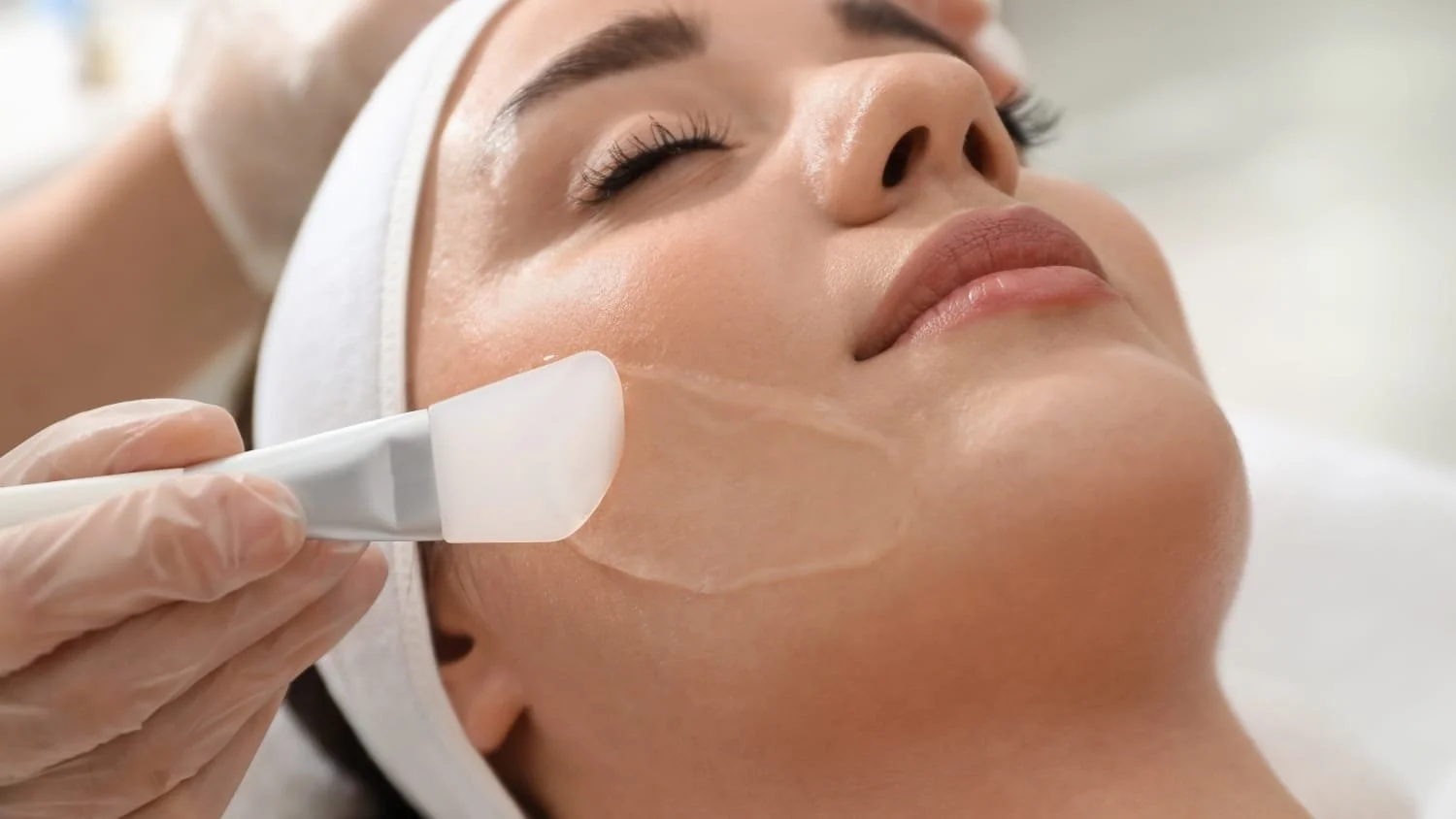
Your skin looks a little tired lately. Maybe it's dullness that won't lift, sun spots that crept in over the years, or fine lines and rough texture that make your complexion feel older than you are. You've tried the serums and the scrubs, but nothing seems to give you that fresh, glowing reset you're after.
A chemical peel might be exactly what your skin needs. Despite the slightly intimidating name, a well-chosen peel is one of the most effective ways to smooth texture, brighten tone, and reveal healthier skin underneath, all without anything invasive.
I'm Kim Gallo, and after more than 25 years as an esthetician here in Naples, chemical peels remain one of my go-to treatments for visible, satisfying results. But the word "peel" covers a wide range of options, and choosing the right one matters.
In this guide, you'll learn what a chemical peel actually is, how the different types compare, what they can treat, what healing feels like, and how to know if a peel is right for you.
Here's what we'll cover:
What a chemical peel is and how it works
Light, medium, and deeper peel categories explained
Common peel ingredients and what they target
Who's a good candidate and who should wait
Aftercare, healing, and when to book
What Is a Chemical Peel?
A chemical peel is a professional skincare treatment that uses a carefully selected solution to exfoliate the skin and encourage fresh, healthy cells to surface. Think of it as a reset button for your complexion.
By gently lifting away the dull, damaged outer layer, a peel reveals the smoother, brighter skin waiting underneath. It's a targeted way to address concerns that everyday products often can't reach on their own, from uneven tone to rough texture to the early signs of aging.
The real beauty of peels is their flexibility. There's no single "chemical peel." Instead, there's a whole spectrum, ranging from very light, refreshing treatments to deeper resurfacing, so the treatment can be tailored to your skin and your goals.
See the full service details on my chemical peel treatments in Naples, FL.

How Do Chemical Peels Work?
Understanding the "how" tends to ease any hesitation, so let me walk you through it in plain terms.
A peel solution works with your skin's own natural renewal process. When applied, the solution loosens the bonds holding tired, dead skin cells to the surface, prompting your skin to shed that outer layer. As the old cells clear away, your skin responds by generating fresh new ones.
The result is smoother texture, more even tone, and a healthier glow. Over time and with the right approach, peels can also support collagen renewal, which is what helps skin look firmer and more refreshed.
The depth of that renewal depends entirely on the type of peel used, which is exactly why matching the peel to your skin matters so much.
Key takeaway: A chemical peel encourages your skin to shed its dull outer layer and reveal fresher, smoother skin underneath.
The Different Types of Chemical Peels
Peels are generally grouped by how deeply they work. Understanding these categories helps you set realistic expectations for both results and recovery.
Light (Superficial) Peels
Light peels are the gentlest option and by far the most popular for regular, maintenance-style care. They work on the very surface of the skin using mild acids like glycolic acid or lactic acid to provide gentle exfoliation, making them a wonderful choice for beginners, sensitive skin, or anyone wanting a refreshed glow with little to no downtime.
These are the peels I most often reach for as part of an ongoing routine. They deliver a brighter, smoother complexion without disrupting your schedule, and they're easy to build into a consistent skincare journey.
Medium Peels
Medium peels reach a little deeper to address more noticeable concerns, like uneven tone, sun damage, and moderate texture issues. They offer more dramatic results than a light peel, but they also come with some genuine downtime, usually a few days of redness and visible flaking as your skin renews.
These peels suit clients who are ready for a more meaningful refresh and can plan around a short recovery window.
Deeper Peels
You've probably read about intensive, deep peels that produce dramatic transformation. It's important to be honest here: the strongest deep peels are medical procedures, typically performed under a physician's care, not routine spa treatments. They involve significant recovery and carry more risk.
As an esthetician, I focus on the light-to-medium range, where I can deliver beautiful, visible results safely and comfortably. If your concerns truly call for a deep, medical-grade peel, I'll tell you honestly and help point you toward the right professional. Your safety always comes first.
Specialized peels
Specialized peels are designed to address specific skin concerns, such as acne or pigmentation. These peels incorporate ingredients tailored to target certain issues effectively. Whether you're dealing with persistent acne or sunspots, there's a specialized peel for you.
By customizing the peel to your needs, you can achieve optimal results and address your unique skin challenges. Specialized peels offer a targeted approach that aligns with your skincare goals, making them an excellent addition to your routine.
Key takeaway: Most spa peels fall in the light-to-medium range; the deepest, most aggressive peels belong in a medical setting.
Common Peel Ingredients and What They Target
Peels are often named for the active ingredients they use, and each one shines for different concerns. Here's a friendly breakdown of the ones you'll hear about most.
Glycolic acid (an AHA): A brightening favorite for dullness, uneven tone, fine lines, and sun damage. Great for a fresh, radiant glow.
Lactic acid (an AHA): Gentle and hydrating, making it a lovely choice for sensitive or drier skin that still wants a refresh.
Salicylic acid (a BHA): Oil-loving and pore-clearing, ideal for congested, oily, or breakout-prone skin. It works right inside the pore.
Jessner's solution: A thoughtful blend often used to address stubborn congestion, uneven tone, and texture.
TCA (trichloroacetic acid): A stronger option used at carefully controlled strengths for more noticeable concerns like sun damage and texture.
Retinol peels: Help reduce signs of aging, sun damage, and acne.
Vitamin C peels: Ideal for brightening dull skin and improving overall complexion.
Phenol peels: These peels are the strongest type and can address severe wrinkles, deep scars, and significant sun damage.
Don't worry about memorizing these. During your consultation, I'll recommend the right ingredient and strength for your skin, so you never have to guess.

What Concerns Can a Chemical Peel Help With?
One reason I love peels is their versatility. Depending on the type, they can help with many of the concerns my Naples clients bring to me, especially in our sunny, humid climate.
Chemical peels can support skin dealing with:
Dullness and lackluster tone, revealing a brighter, more radiant surface
Uneven texture and rough patches, smoothing the skin over time
Sun damage and dark spots, helping to even out discoloration
Fine lines, softening their appearance through renewal
Congestion and breakouts, clearing pores and calming oily skin
For deeper, resurfacing needs, a peel pairs beautifully with a well-planned skincare routine. And if your main goal is a gentle deep clean rather than resurfacing, my ultrasonic facial guide explains a soothing alternative worth considering.
Who Is a Good Candidate?
Chemical peels work well for a wide range of people, particularly those who want to refresh dull skin, smooth texture, or fade sun damage without an invasive procedure. If you've been frustrated that your products aren't delivering enough on their own, a peel may be the boost your skin needs.
The best way to know if a peel is right for you is a professional assessment. During your consultation, I look closely at your skin type, your concerns, and your lifestyle, then recommend a peel and strength that fits.
Who Should Wait or Take Extra Care
Honesty builds trust, so let me be clear about when a peel may not be the right choice, at least not right now. You may need to postpone or adjust your treatment if you:
Are pregnant or breastfeeding (some ingredients aren't recommended)
Have active, inflamed breakouts, cold sores, or open, irritated skin
Have recently used strong retinoids or had another resurfacing treatment
Have a history of unusual scarring or certain skin conditions
Have had significant recent sun exposure or a fresh tan
If any of these apply, we'll simply time things thoughtfully or choose a gentler approach. This is exactly why I never perform a peel without an in-person assessment first, so your treatment is always safe and suited to you.
What Treatment and Healing Feel Like
If you're considering a peel, you probably want to know what the experience is actually like. Here's an honest, step-by-step look.
During Your Treatment
After cleansing your skin, I'll apply the peel solution and let it work for a carefully timed period. Most clients feel a mild tingling, warmth, or light stinging sensation, which is completely normal and temporary. Light peels are very comfortable, and the whole process is quick and calm in a private, relaxing setting.
After Your Treatment
What happens next depends on the depth of your peel. With a light peel, you may notice a healthy glow right away, along with mild dryness or a bit of subtle flaking over the next few days. Medium peels involve more visible peeling and a few days of redness as your skin renews.
Whatever the depth, that shedding is your skin doing exactly what it should. I'll always tell you upfront what to expect so there are no surprises.
Essential Aftercare for the Best Results
Great aftercare protects your results and helps your skin heal beautifully. These simple habits make all the difference:
Protect with SPF, always. Freshly renewed skin is especially vulnerable to our strong Naples sun. Daily broad-spectrum sunscreen is non-negotiable.
Don't pick or peel. Let flaking skin shed naturally. Picking can cause scarring or dark spots.
Keep it gentle. Pause retinol, acids, and harsh exfoliants for at least a week, and stick to mild, soothing products.
Hydrate inside and out. Drink plenty of water and use a gentle moisturizer to support healing.
Follow your personalized instructions. I'll give you aftercare guidance tailored to your specific peel.
Because peels can only do so much on their own, results are always best when paired with a smart home routine. If you're weighing what to handle at home versus in the treatment room, my guide on professional treatments versus at-home skincare is worth a read.
How to Choose the Right Peel
With so many options, it's easy to feel overwhelmed, but you don't have to figure it out alone. Choosing the right peel really comes down to three things:
Your skin type and concerns. Oily and congested skin may love a salicylic peel, while dull, sun-damaged skin might benefit more from glycolic.
Your downtime tolerance. A light peel fits a busy life easily, while a medium peel needs a few recovery days planned in.
Expert guidance. This is the most important step. A professional assessment ensures your peel is both safe and genuinely effective for you.
A chemical peel is one valuable tool in a bigger picture. To see how it fits alongside my other treatments, take a look at my guide on which facial treatment is right for you.
For lift and tone rather than resurfacing, you might explore my microcurrent facial guide, and for surface irregularities like milia or skin tags, the Skin Classic treatment is the better tool for the job.
Why Expert Guidance Makes the Difference
A peel looks simple, but choosing the right type, strength, and timing takes real experience. Over two decades, I've learned how to read what a client's skin can handle, when to go lighter, when a series makes more sense, and when to recommend something else entirely.
That judgment is what turns a good peel into a great result, and what keeps your skin safe along the way. My Naples clients don't just come for a treatment. They come for personalized care they can trust, delivered in a calm, private setting, with high-performance products and more than 25 years of hands-on expertise behind every session.
If you're brand new to professional treatments, you might also like my guide on what to expect at your first facial appointment, which walks you through everything step by step.
Frequently Asked Questions
-
Most clients feel a mild tingling, warmth, or light stinging while the solution works, all of which are normal and temporary. Light peels are very comfortable, and stronger peels feel more intense but are carefully timed for your safety. I'll always check in with you throughout your treatment.
-
It depends on the peel. A light peel often has little to no true downtime, just a healthy glow and perhaps some subtle flaking. A medium peel usually involves a few days of redness and visible peeling as your skin renews. I'll tell you exactly what to plan for beforehand.
-
For most light peels, waiting about four to six weeks between treatments allows your skin to fully recover and renew. The ideal frequency depends on the peel type and your goals, so I'll recommend a rhythm tailored to your skin during your consultation.
-
Yes, when chosen carefully. Gentle options like lactic acid peels can be lovely for sensitive skin. The key is a professional assessment to select the right ingredient and strength, which is exactly why I never perform a peel without evaluating your skin first.
-
TCA (trichloroacetic acid) and PCA (pyruvic acid) are both types of chemical peels. TCA is a medium-depth peel that targets deeper skin concerns, while PCA is a lighter peel that gently exfoliates the top layer of skin. Consult with an esthetician to determine which type of peel is best for your specific needs.
Overall, both TCA and PCA can deliver noticeable improvements to your skin's appearance and texture. So, it's crucial to consult with a skincare professional to determine which one will be most beneficial for you.
-
A level 3 chemical peel is a medium-depth peel that penetrates the middle layer of skin and targets more severe concerns, such as deep wrinkles and acne scars.
It may require more downtime and aftercare compared to superficial peels but can deliver significant results. Consult with a professional before considering a level 3 peel for your skin.
-
Usually not. Dramatic sheet-like peeling is associated with deeper, medical-grade peels. With the light-to-medium peels I perform, you're more likely to see mild flaking or gentle shedding over a few days, rather than large pieces of skin coming off.
-
I generally recommend giving your skin a day or so to breathe and recover before applying makeup, especially after a medium peel. Freshly renewed skin does best with gentle, minimal products at first. I'll give you specific timing guidance based on your treatment.
Ready to Reveal Fresher, Brighter Skin?
You don't have to settle for dull, tired-looking skin or trust your complexion to guesswork. A thoughtfully chosen chemical peel offers a safe, effective way to smooth texture, even out tone, and rediscover your natural glow, all tailored to your skin and your goals.
Skincare is a journey, and you deserve to feel confident and cared for every step of the way. My downtown Naples spa combines advanced, non-invasive treatments with high-performance products and more than 25 years of hands-on expertise, all in a calm, private setting.
Book your consultation at Kim Gallo Esthetics today, and let's find the perfect peel to reveal your brightest, healthiest skin yet. To see how peels fit alongside everything else I offer, explore my complete guide to professional skincare treatments in Naples. Your radiant complexion is waiting.
Note: The information provided in this blog does not constitute medical advice. Always consult with a skincare professional before trying any new treatment.