
Chemical Peel or Microneedling: How to Know Which Treatment Is Actually Right for Your Skin
We include products we think are useful for our readers. If you buy through links on this page, we may earn a small commission
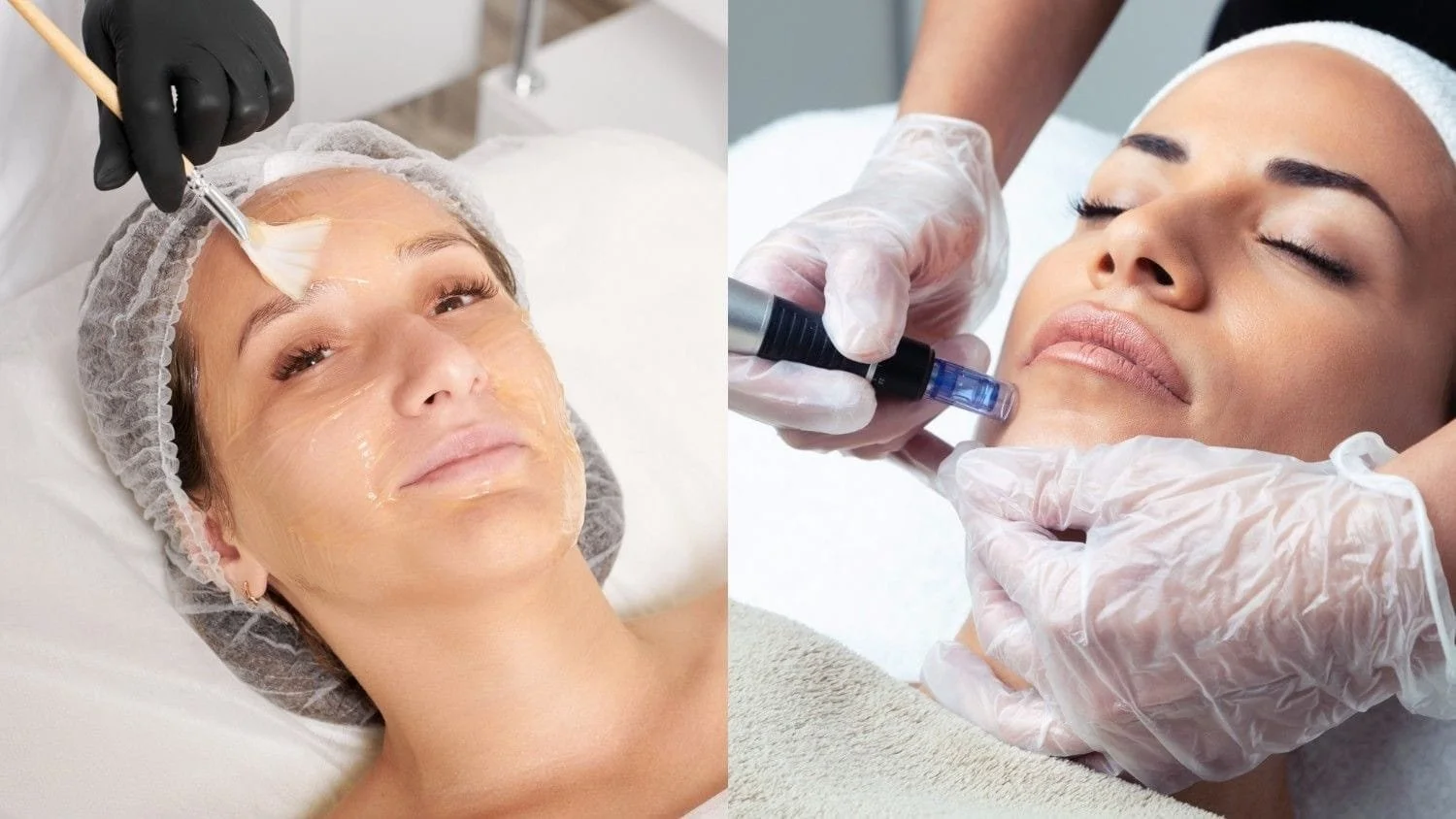
You've done the research. You know your skin needs something more than products. You're ready for a professional treatment. But now you're stuck between two options: a chemical peel or microneedling.
Both have great reviews. Both promise real results. And both keep showing up every time you search for solutions to fine lines, texture, dark spots, or dull skin.
So which one should you actually book?
The short answer: choose a chemical peel for surface concerns like dark spots, dullness, and uneven tone. Choose microneedling for structural concerns like wrinkles, scarring, and firmness loss. If you're dealing with both, many clients alternate between the two.
The longer answer depends on your specific skin. After 20+ years of performing both in my Naples studio, I can tell you that the right choice is almost never about which treatment is "better." It's about which one matches what your skin actually needs right now.
Let me walk you through it.
What a Chemical Peel Does
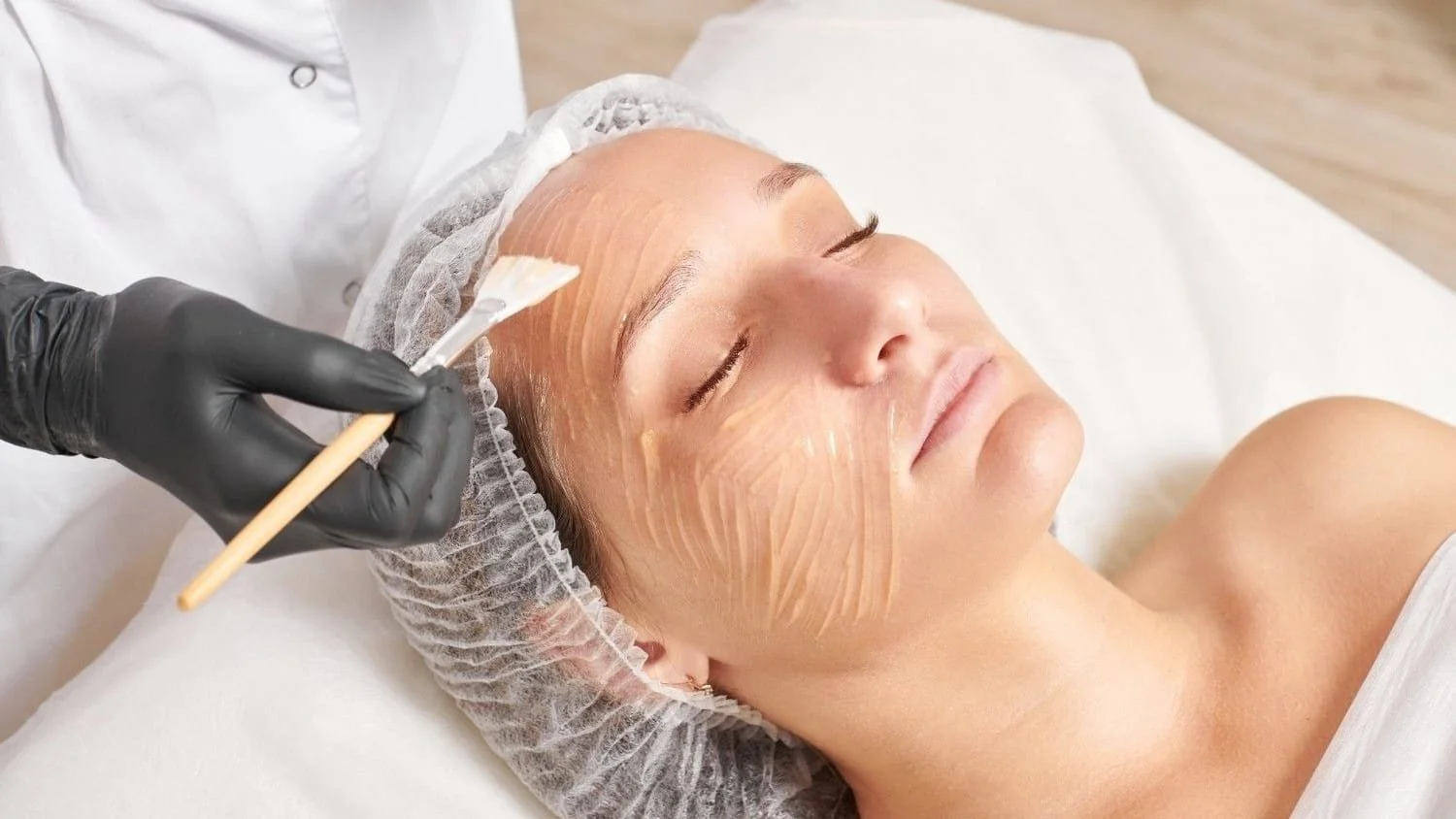
A chemical peel applies a controlled acid solution to your skin. That solution dissolves the outermost layers of dead, damaged cells. Once those layers are removed, your skin regenerates fresh tissue underneath that's smoother, brighter, and more even in tone.
Peels come in different strengths. A light peel might cause mild flaking for a day or two. A medium peel involves several days of visible peeling. The depth we choose depends on your concerns and how much downtime you can handle.
What peels are best for:
Sun damage and age spots
Uneven skin tone and hyperpigmentation
Dull, rough complexion
Surface-level fine lines
Acne discoloration and post-inflammatory marks
What peels won't do: Peels work on the surface. They won't rebuild deep collagen, tighten sagging skin, or address textural scarring that sits below the top layer.
What Microneedling Does
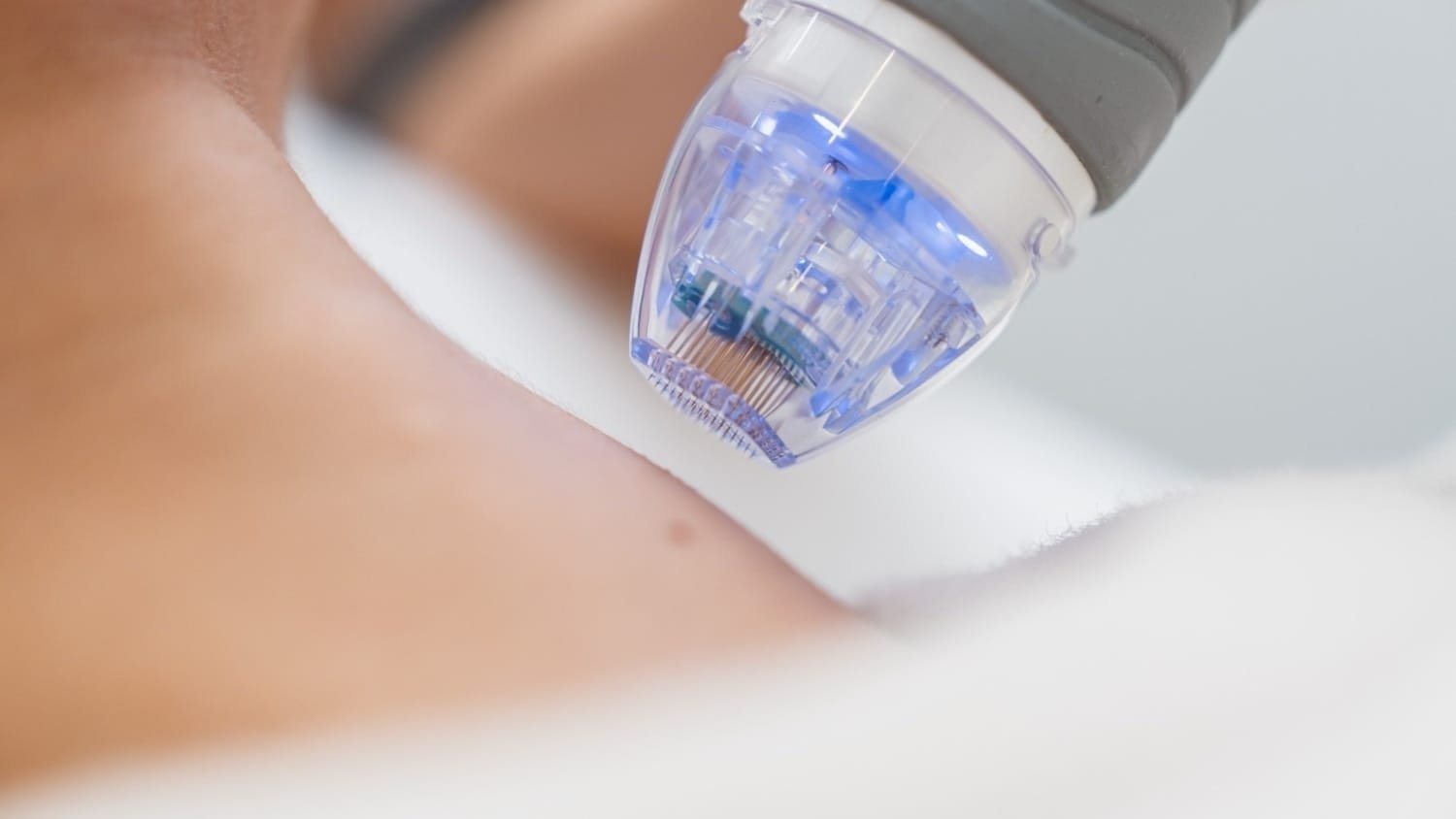
Microneedling uses a device with tiny needles to create controlled micro-injuries across the skin. Those micro-injuries trigger your body's natural healing response, which includes producing new collagen and elastin.
The results build over time. You won't see a dramatic change the next day. But over the following weeks, your skin becomes firmer, smoother, and more resilient. A series of 3 to 6 sessions delivers the most visible improvement.
What microneedling is best for:
Fine lines and wrinkles
Loss of firmness and elasticity
Acne scars and textural irregularities
Enlarged pores
Overall skin tightening and rejuvenation
What microneedling won't do: It won't remove surface discoloration the way a peel can. If your primary concern is dark spots or uneven tone, microneedling alone isn't the fastest path to results.
Side by Side: How They Compare
| Chemical Peel | Microneedling | |
|---|---|---|
| How it works | Acid dissolves damaged surface layers | Needles trigger collagen production from within |
| Primary target | Surface: tone, texture, discoloration | Structure: firmness, wrinkles, scars |
| Results timeline | Visible within 1 to 2 weeks (after peeling) | Gradual over 2 to 6 weeks per session |
| Number of sessions | 1 to 3 for most concerns | 3 to 6 for best results |
| Downtime | 3 to 7 days of peeling | 1 to 3 days of redness |
| Pain level | Tingling to stinging during treatment | Mild discomfort, manageable |
| Best for | Discoloration, dullness, sun damage | Wrinkles, scarring, firmness |
How to Choose: Match the Treatment to Your Concern
Here's how I guide clients through this decision every day.
Choose a chemical peel if your main concerns are on the surface. If you look in the mirror and see dullness, dark spots, uneven tone, or rough texture, a peel is the faster, more targeted solution. It removes what's already there so fresh skin can take its place.
Choose microneedling if your concerns are structural. If you're noticing loss of firmness, deepening fine lines, or textural scarring that products haven't touched, microneedling rebuilds from the inside. It creates new collagen that improves your skin's foundation over time.
Choose both if you're dealing with multiple concerns. Many of my Naples clients rotate between the two. A peel one month to address surface damage, microneedling the next to rebuild collagen. That combination covers both layers and delivers the most comprehensive results.
Can You Get Both at the Same Time?
Not in the same session. Both treatments create controlled damage to the skin, and layering them would be too aggressive. Your skin needs time to heal between them.
I typically recommend spacing them at least three to four weeks apart. That gives your skin enough time to fully recover from one before starting the other.
What About Downtime?
This matters for most clients, so let me be specific.
After a chemical peel: Expect visible peeling for 3 to 7 days depending on the depth. Your skin will look flaky before it looks great. Most clients plan around this by scheduling their peel when they don't have events or important meetings for the following week.
After microneedling: Your skin will be red and feel warm for 1 to 3 days, similar to a sunburn. Most clients are comfortable going back to their normal routine within 48 hours. Makeup can usually be applied after 24 hours.
If downtime is a concern, microneedling typically has the shorter recovery.
Which One Hurts More?
Neither treatment is what I'd call painful, but they feel very different.
A chemical peel stings or tingles during application. The intensity depends on the strength of the peel. It stops as soon as the solution is neutralized.
Microneedling feels like a vibrating, prickling sensation across the skin. Most clients describe it as mildly uncomfortable but very tolerable. A numbing cream is applied beforehand, which helps significantly.
If you're sensitive to pain, microneedling with numbing cream tends to be the more comfortable experience during treatment. A peel has zero discomfort afterward, while microneedling leaves your skin feeling warm and tender for a day or two.
Which One Is Better for Acne Scars?
It depends on the type of scarring. Flat, dark acne marks (post-inflammatory hyperpigmentation) respond well to chemical peels. The peel removes the discolored surface layer so fresh, even-toned skin can replace it.
Textured acne scars, the kind you can feel with your fingertips, respond better to microneedling. The collagen remodeling process gradually smooths out indentations and uneven texture from the inside.
If you have both discoloration and texture, alternating between the two treatments is the most effective approach.
What I Recommend for First-Timers
If you've never had either treatment and you're not sure where to start, here's what I usually suggest.
For clients whose main frustration is dull, uneven skin: start with a light chemical peel. The results are visible quickly, the recovery is manageable, and it gives you a clear sense of what professional treatments can do.
For clients concerned about firmness, fine lines, or scarring: start with microneedling. The first session sets the foundation, and each follow-up builds on it.
Either way, we start with a consultation. I look at your skin, talk through your goals, and make a recommendation based on what I see, not a generic protocol.
Let's Figure This Out Together
You don't need to choose between these two treatments on your own. That's what I'm here for.
Book a consultation at Kim Gallo Esthetics and we'll find the right treatment for your skin.